Visit the UCLA Film & Television Archive website(opens in a new tab) to learn more about upcoming screenings and events.
Free admission. No advance reservations. Ticketing is on a first come, first served basis. Seats will not be assigned.
Introduction by Head of Preservation Jillian Borders and Women’s Film Preservation Fund co-chair and restoration consultant Kirsten Larvick. Q&A with co-director Gini Reticker.
the heart of the matter
Year: 1994
Country: U.S.
Language: English
Runtime: 56 min.
Digital. Color.
West Coast Premiere of New Restoration
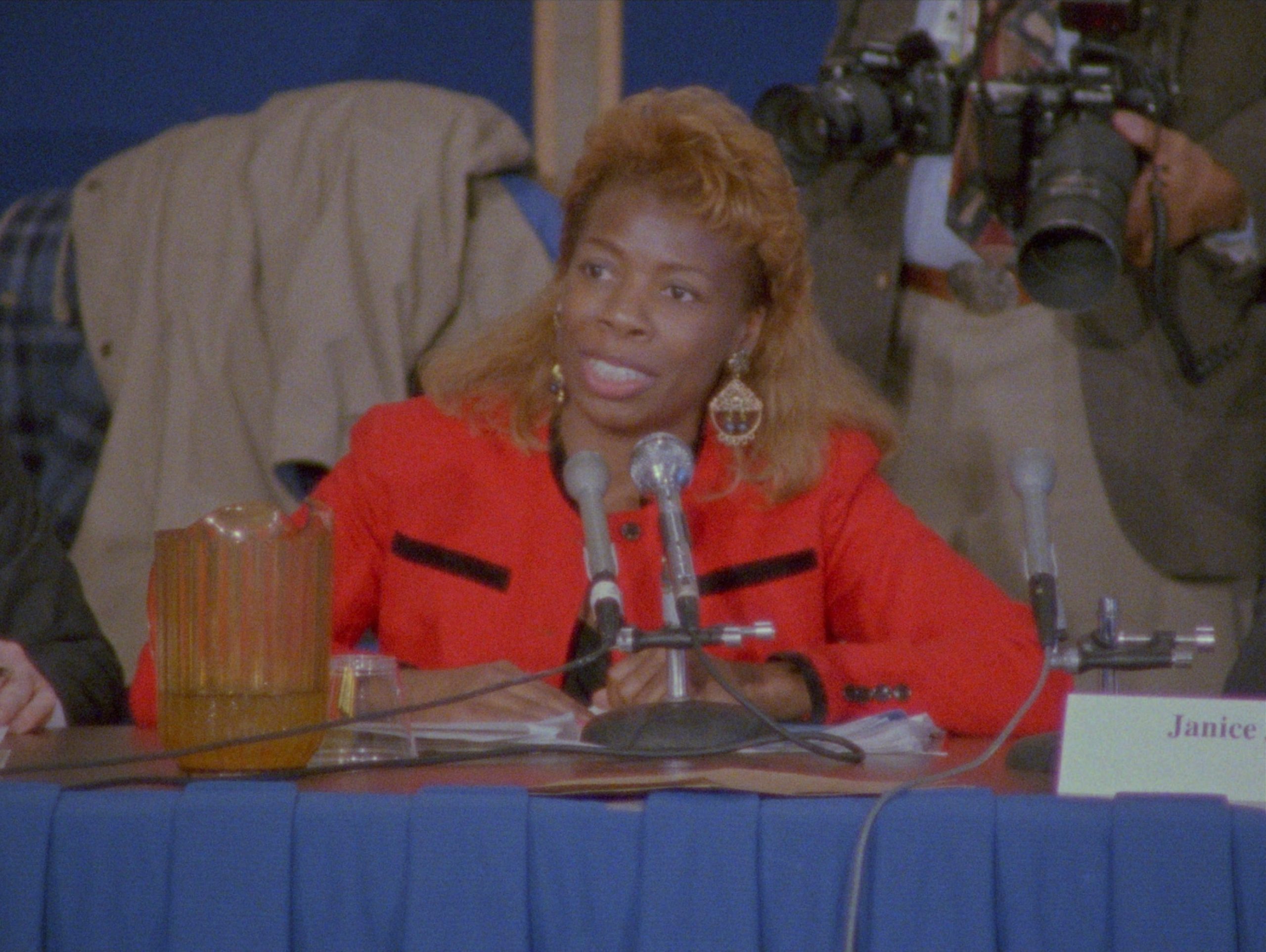
Shot on 16mm by an all-women crew, the heart of the matter is a tender portrait of AIDS activist Janice Jirau and a landmark in feminist documentary history. The film traces Jirau’s transformation from devoted wife to fearless public health advocate after she contracts HIV from a husband who refused to practice safer sex, a story told with devastating clarity. Her journey is braided with a Greek chorus of HIV-positive women from diverse backgrounds whose testimonies dismantle the comforting myth that only “certain kinds” of women are at risk. In a pivotal scene, Jirau delivers a poignant account of surviving abuse from the pulpit of a Black church, and directors Gini Reticker and Amber Hollibaugh linger on the congregation’s embrace — an image that cuts through the stigma and stereotypes that defined the era.
Completed at the edge of feature length, the production itself was a political struggle, shaped by a protracted fundraising battle in a culture that routinely devalued women’s stories, and people with AIDS. That tension gives the film its palpable urgency. It is direct and unafraid to ask viewers to reflect on their own relationship to HIV transmission risk, a conversation the filmmakers also carried into public screenings.
The collaboration brought together a remarkable team, including cinematographers Ellen Kuras and Maryse Alberti early in their careers, whose camera work gives the film both tenderness and resolve. Premiering at Sundance, where it won the Freedom of Expression Award, and later broadcast on PBS in 1994, the heart of the matter ultimately helped change policy through a grassroots impact campaign — and became a model for activist filmmaking for generations to come.—Beandrea July
Directors: Gini Reticker, Amber Hollibaugh. Producers: Gini Reticker, Amber Hollibaugh. Cinematographers: Ellen Kuras, Maryse Alberti. Editor: Ann Collins. With: Janice Jirau.
Restoration funding provided by Women’s Film Preservation Fund of New York Women in Film & Television and the UCLA Film & Television Archive. Restored by Women’s Film Preservation Fund of New York Women in Film & Television and the UCLA Film & Television Archive from 16mm A/B original negative rolls, D2 and U-Matic tapes. Laboratory services by Colorlab, Endpoint Audio Labs. Special thanks to Gini Reticker, Kirsten Larvick.