Presentation/Reading
Research on and Authentication of Fine Editions from the Ming Dynasty
Online
More Details
Speaker: Boyue Yao | 姚伯岳, Executive Deputy Director and Professor, Institute for the Preservation and Study of Ancient Books, Tianjin Normal University
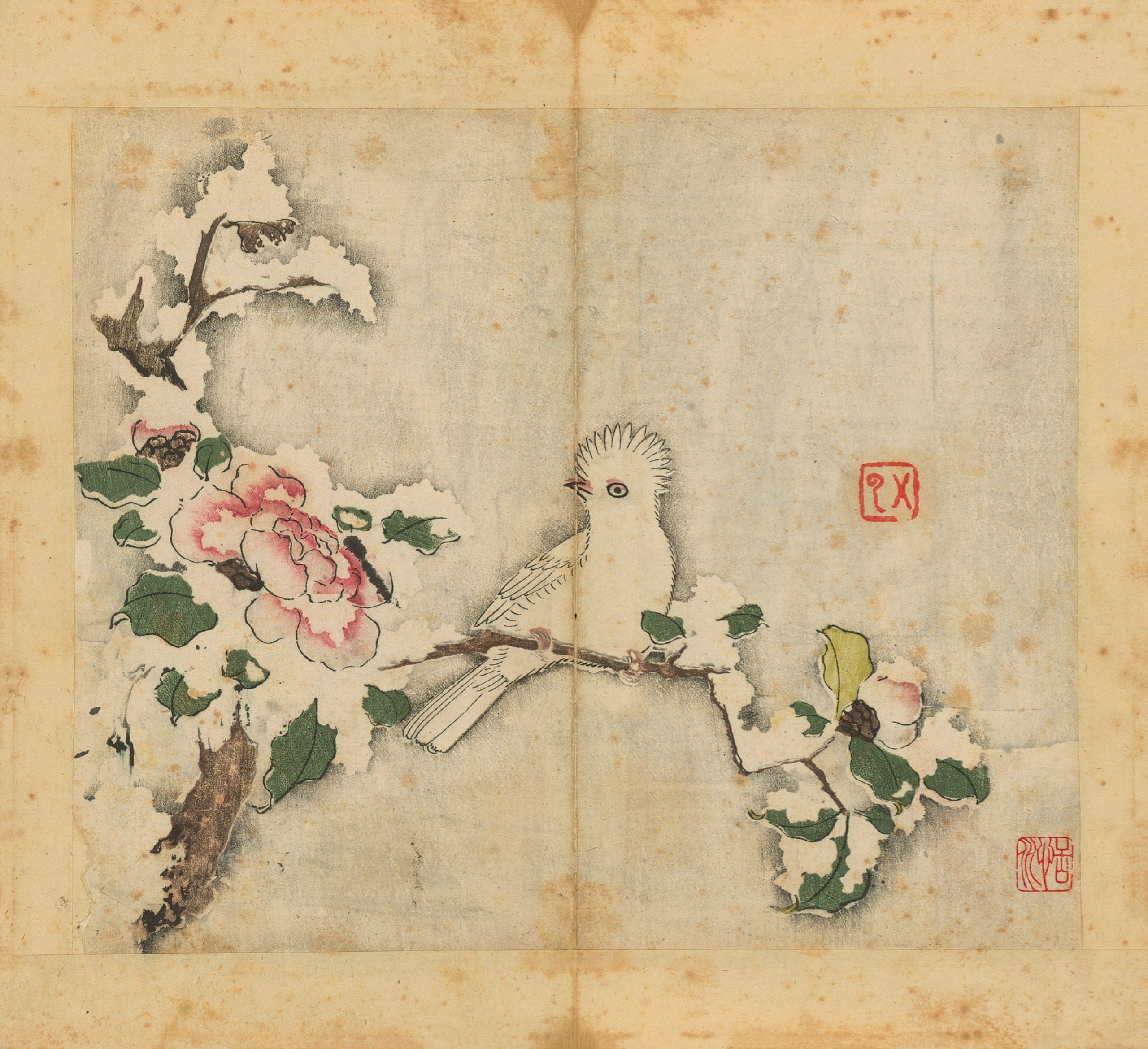
During the 276 years of the Ming dynasty, from the Hongwu reign to the Chongzhen reign, the quantity and variety of printed books surpassed those of the Song and Yuan dynasties. The printing of the Buddhist and Daoist canons was also distinctive. In addition to printed editions, however, manuscript books still constituted a considerable proportion. Several highly significant developments in the history of books took place during this period: first, the completion in the early Yongle reign of Yongle dadian, the largest manuscript encyclopedia in Chinese history; second, the formation of the Song-style typeface (Songti), a classical printing font, during the Zhengde and Jiajing reigns; third, the rapid development in the mid-Ming of movable-type printing using copper and tin; and fourth, the rise and widespread use of polychrome overprinting (taoban printing) in the late Ming. Ming printing continued to be organized into three major systems—government, private, and commercial publishing—and can be broadly divided into three stages.
The early period, from Hongwu to Hongzhi (1368–1505), is characterized by simple and robust engraving, dignified typefaces, and broad page margins, often comparable to Song editions. The middle period, covering the Zhengde and Jiajing reigns (1506–1566), saw a large output of finely produced books, with clean white paper and large, highly legible characters, much prized by readers. From the Longqing and Wanli reigns through the Chongzhen period (1567–1644), the expansion of the commodity economy led to a great increase in book production, though the overall quality became uneven.
Click the More Details button to RSVP or register now(opens in a new tab).
Yao Boyue, born in April 1963, was admitted to the Department of Library Science at Peking University in 1980. He completed his master’s degree in 1986 and remained at the department as a faculty member that same year. In 1999, he transferred to the Rare Books Department of the Peking University Library. In 2018, he joined Tianjin Normal University, where he founded the Institute for the Preservation and Study of
Ancient Books. He currently serves as Executive Deputy Director of the Institute for the Preservation and Study of Ancient Books at Tianjin Normal University, holds the rank of second-grade professor, and is a doctoral supervisor. He also serves concurrently as Chair of the Cataloging Committee of the China Ancient Books Preservation Association and Executive Associate Editor-in-Chief of the collected journal Research on Ancient Books Preservation, among other positions. He has authored 14 books, including Chinese Bibliography of Editions, Cataloging of Ancient Books, A Pictorial Collection of Rubbings of Bronzes and Stones from the Harvard-Yenching Library at Harvard University, and A Grand Survey of the Imperial Realm: Qing Dynasty Colored Maps Collected in the Peking University Library. He has published more than 90 academic articles.
We're here to help. Chat with a librarian 24/7, schedule a research consultation or email us your quick questions.