Visit the UCLA Film & Television Archive website(opens in a new tab) to learn more about upcoming screenings and events.
Free admission. No advance reservations. Your seat will be assigned to you when you pick up your ticket at the box office. Seats are assigned on a first come, first served basis. The box office will open one hour before the event.
Introduction by Archive Director May Hong HaDuong. Q&A with writer J. E. Franklin.
Screening 1 of 2
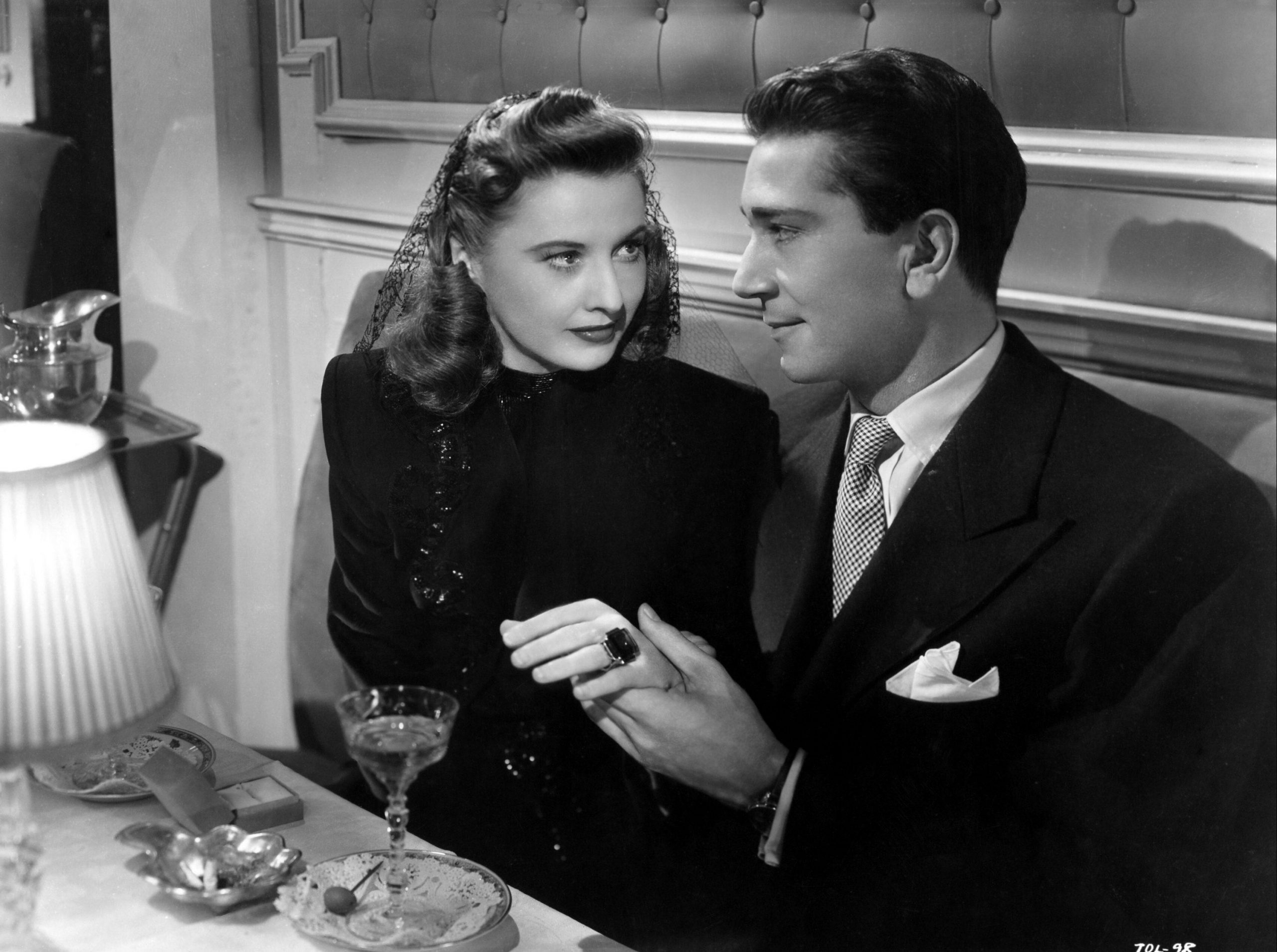
Hearst Metrotone News: "Porgy & Bess Opening" (excerpt)
Year: 1959
Country: U.S.
Runtime: 2 min.
Digital. B&W. Silent.
Screening 2 of 2
Black Girl
Year: 1972
Country: U.S.
Language: English
Runtime: 97 min.
Digital. Color.
West Coast Premiere of New Restoration
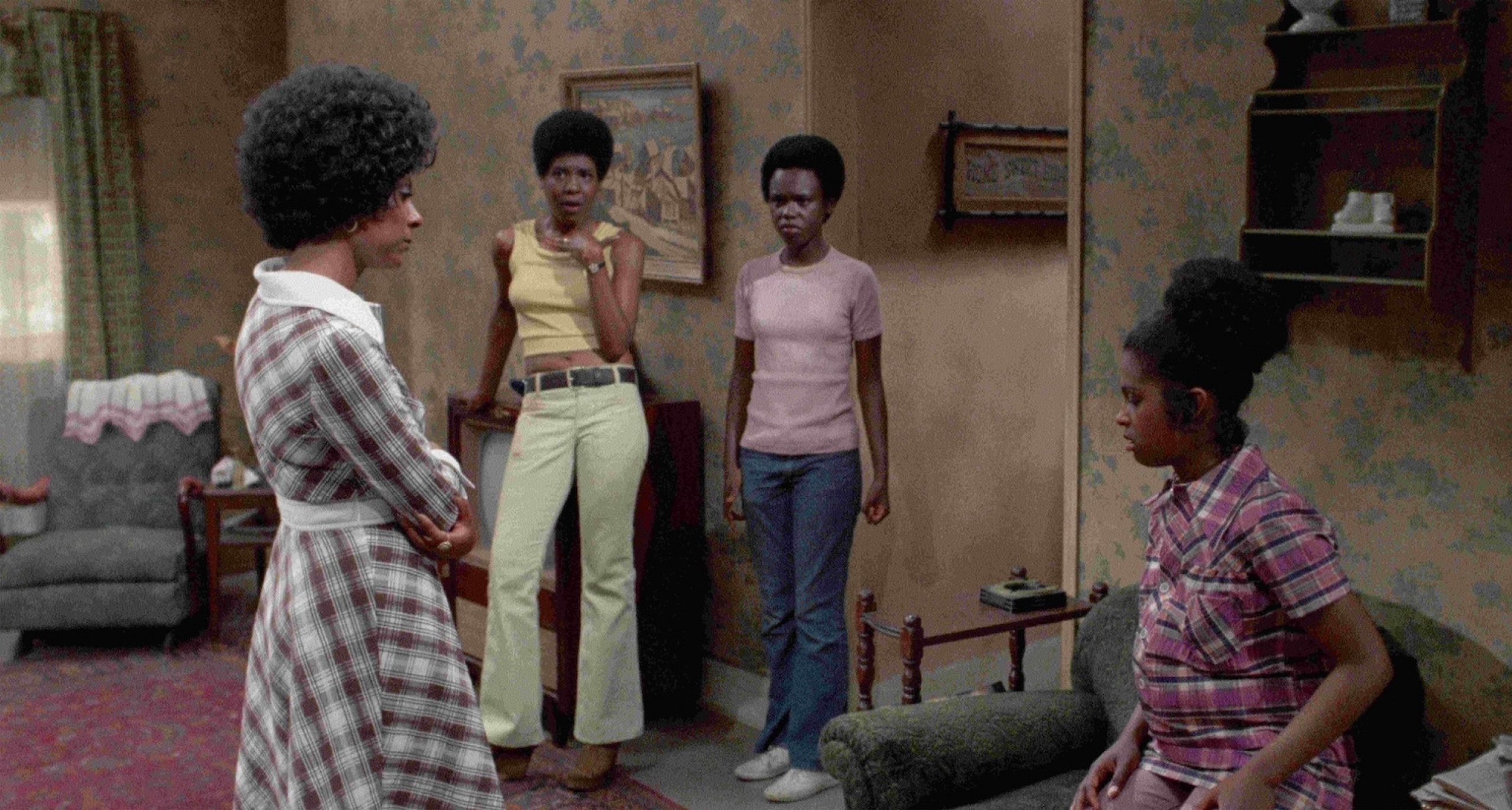
Named by Film Comment as one of the best restorations of 2025, director Ossie Davis’ third feature is finding its audience more than 50 years after its original release. The play on which the film is based, Black Girl, by J. E. Franklin, who wrote the screenplay, was already a landmark of Black theater after a record-setting off-Broadway run in 1971 that earned Franklin the Drama Desk Award for Most Promising Playwright. Actor-turned-director Davis was coming off the box office success of his Cotton Comes to Harlem (1970), an adaptation of Chester Himes’ politically charged detective novel that helped spark the Blaxploitation wave of the 1970s. In a contemporaneous interview, civil rights icon Davis nevertheless lamented the lack of films about the “trials and tribulations of the Black middle class.” For the family in Black Girl, the personal and cultural politics of upward mobility are central to the conflicts among three generations of Black women. The youngest, Billie Jean (Peggy Pettitt), strives to become a dancer, earning taunts from her half-sisters (Gloria Edwards, Lorette Greene). Their mother, Rose (Louise Stubbs), still stinging from her own mother’s indifference, has seemingly given up on her own children, placing her hopes in Netta (Leslie Uggams), a neighborhood girl she took in now studying for law school. Every member of the ensemble cast — including a swaggering Brock Peters as Rose’s ex — rises to the occasion as their characters clash in a cramped Venice, California, home, prompting Variety to declare Black Girl the best depiction of Black family life “since Lorraine Hansberry’s A Raisin in the Sun.” The film’s distributor, however, gave it an exploitation-style release, booking it in action houses with posters promising the same, leading the trade paper to complain the strategy would “keep away serious filmgoers who would have been rewarded by the fine directing and acting.” Black Girl now stands ready for rediscovery.—Paul Malcolm
DCP. Production: Marconlee. Distribution: Cinerama Releasing. Producer: Robert H. Greenberg. Director: Ossie Davis. Screenwriter: J. E. Franklin. Based on the play by J. E. Franklin. Cinematographer: Glenwood J. Swanson. With: Brock Peters, Claudia McNeil, Leslie Uggams, Louise Stubbs, Peggy Pettitt.
Restoration funding provided by the Hobson/Lucas Family Foundation. Restored by the UCLA Film & Television Archive and The Film Foundation from 35mm acetate original picture and track negatives. Laboratory services by illuminate Hollywood, Audio Mechanics, Simon Daniel Sound, Fotokem. Special thanks to J. E. Franklin, Malika Nzinga.