Visit the UCLA Film & Television Archive website(opens in a new tab) to learn more about upcoming screenings and events.
REGISTER FOR THIS SCREENING(opens in a new tab)
Please note: Registration does not guarantee entry if the event reaches capacity. Admission is granted on a first come, first served basis.
Patrons who have registered will need to obtain their free tickets at the box office, where seating will be assigned. Any seats remaining 15 minutes before showtime will be released to standby patrons.
In person: curators Arta Barzanji, Hadi Alipanah (via video).
Cinema-ye Azad, or Free Cinema, was an underground movement of filmmakers in Iran that began in 1969, with the explicit aim of creating a fully independent cinema opposed to the mainstream “Filmfarsi” in both form and content, methods and ideals. Where the better-known, contemporaneous Iranian New Wave predominantly consisted of foreign-educated, Tehran-based middle-class filmmakers, Cinema-ye Azad consisted of self-taught filmmakers, sharing resources and knowledge with one another to bring the possibility of cultural production to disadvantaged provinces. At its height, Cinema-ye Azad boasted hundreds of active members, a critical magazine and festivals around the country, but the dream was short-lived as the movement ceased activities after the revolution. Its works, however, are being rediscovered thanks to the dedication of curators and archivists in London and Iran. As part of this year's UCLA Celebration of Iranian Cinema, the Archive is pleased to present two screenings highlighting the films of two key Cinema-ye Azad figures, Nasib Nasibi and Behnam Jafari.
Program curated by Arta Barzanji and Shaghayegh Raoufi with research and archival support from Hadi Alipanah. Film notes written by Arta Barzanji.
Screening 1 of 5
Abandoned Heights
Year: 1972
Country: Iran
Language: Persian with English subtitles
Runtime: 18 min.
Digital. B&W.
Every day, a young man plays his trumpet from the top of a half-finished building while facing the city. Ambiguous happenings around him suggest the outlines of what may lurk below the peaceful surface of society.
DCP. Director/Screenwriter: Behnam Jafari. With: Nematollah Gorji, Ahmad Amini, Hassan Seifi.
Screening 2 of 5
Scream (Vol. 2)
Year: 1972
Country: Iran
Language: Persian with English subtitles
Runtime: 13 min.
Digital. Color.
This satirical collage of Iranian cinema stages a confrontation between the ethos of the commercial “Filmfarsi” and the artistic ambitions of the New Wave cinema. In a direct reference to Cinema-ye Azad, the film ends with the arrest and exile of young amateur filmmakers from professional cinema.
DCP. Director/Screenwriter: Behnam Jafari. With: Khosrow Haritash, Said Oveissi, Zari Khoshkam.
Screening 3 of 5
Let Us Live
Year: 1972
Country: Iran
Language: Persian with English subtitles
Runtime: 13 min.
Digital. Color.
This film follows the restless lives of two young pickpockets through the labyrinth of seedy streets and shadowy alleyways, in a world where every day ends in triumph or ruin.
DCP. Director/Screenwriter: Behnam Jafari. With: Davood Teymouri, Naser Tarighat, Ghazal Irandoust.
Screening 4 of 5
Tell the Watchmen Not to Let Sleep Deceive
Year: 1970
Country: Iran
Language: Persian with English subtitles
Runtime: 20 min.
Digital. Color.
A social portrait of two young lovers that reflects the larger prejudices of society.
DCP. Director/Screenwriter: Behnam Jafari. With: Farhad pour Azam, Shirin Jannesari, Behrouz Razavi.
Screening 5 of 5
MirNasir and the Ill-Fated Genie
Year: 1974
Country: Iran
Language: Persian with English subtitles
Runtime: 67 min.
Digital. B&W.
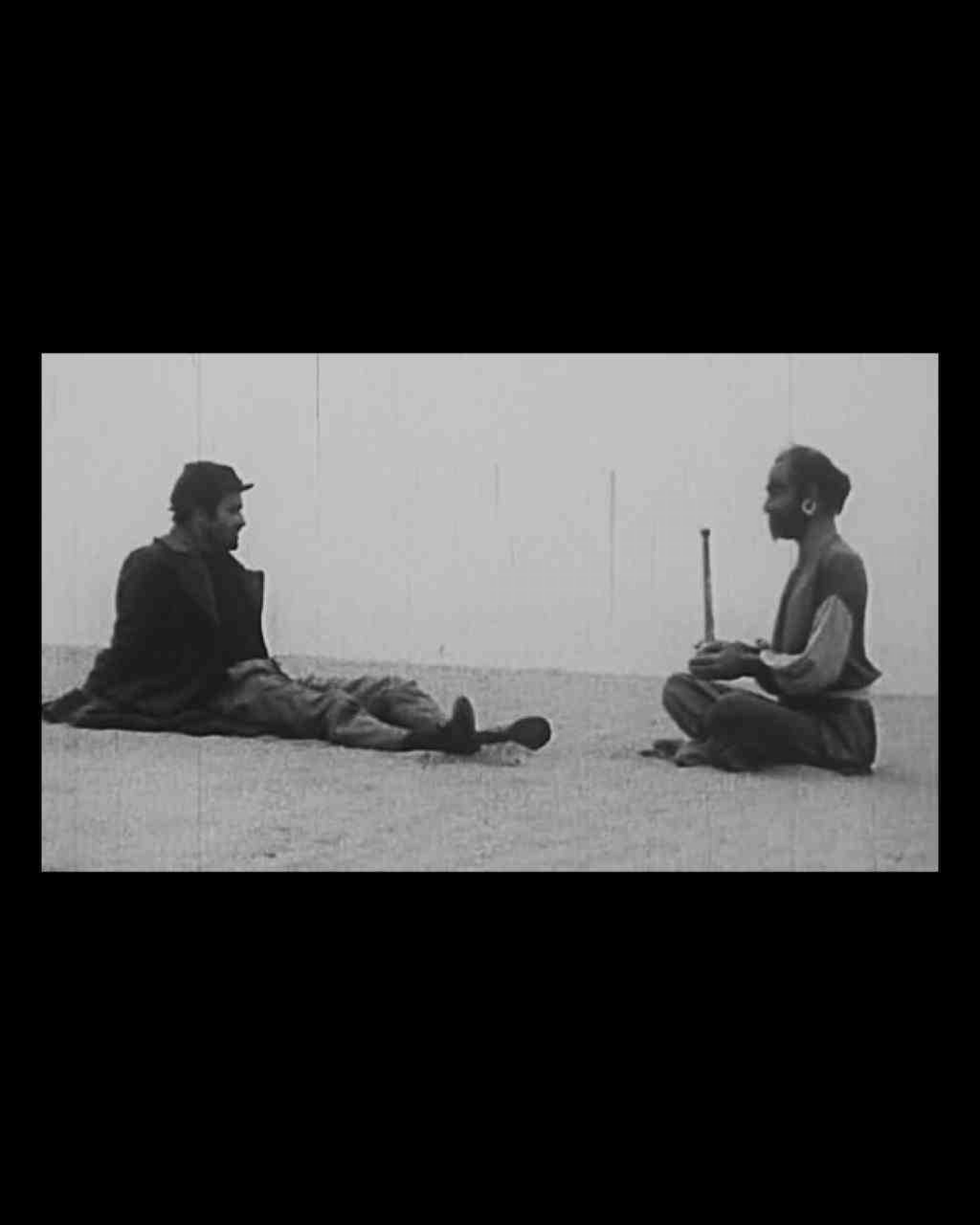
In his cinematic debut, Saeed Poursamimi plays a former inmate who frees a genie from a bottle. After thousands of years of captivity in the bottle, the genie finds himself in a world that has been completely transformed by its people’s beliefs. The two embark on a bitter journey to find the remnants of the forgotten magical realm. Director Behnam Jafari uses stark visuals and provocative metaphors to explore the impossibility of relying on traditional myths in the face of a new world.
DCP. Director/Screenwriter: Behnam Jafari. With: Saeed Poursamimi, Hamid Taati, Mohammad Poursattar.