Dorothy Dandridge
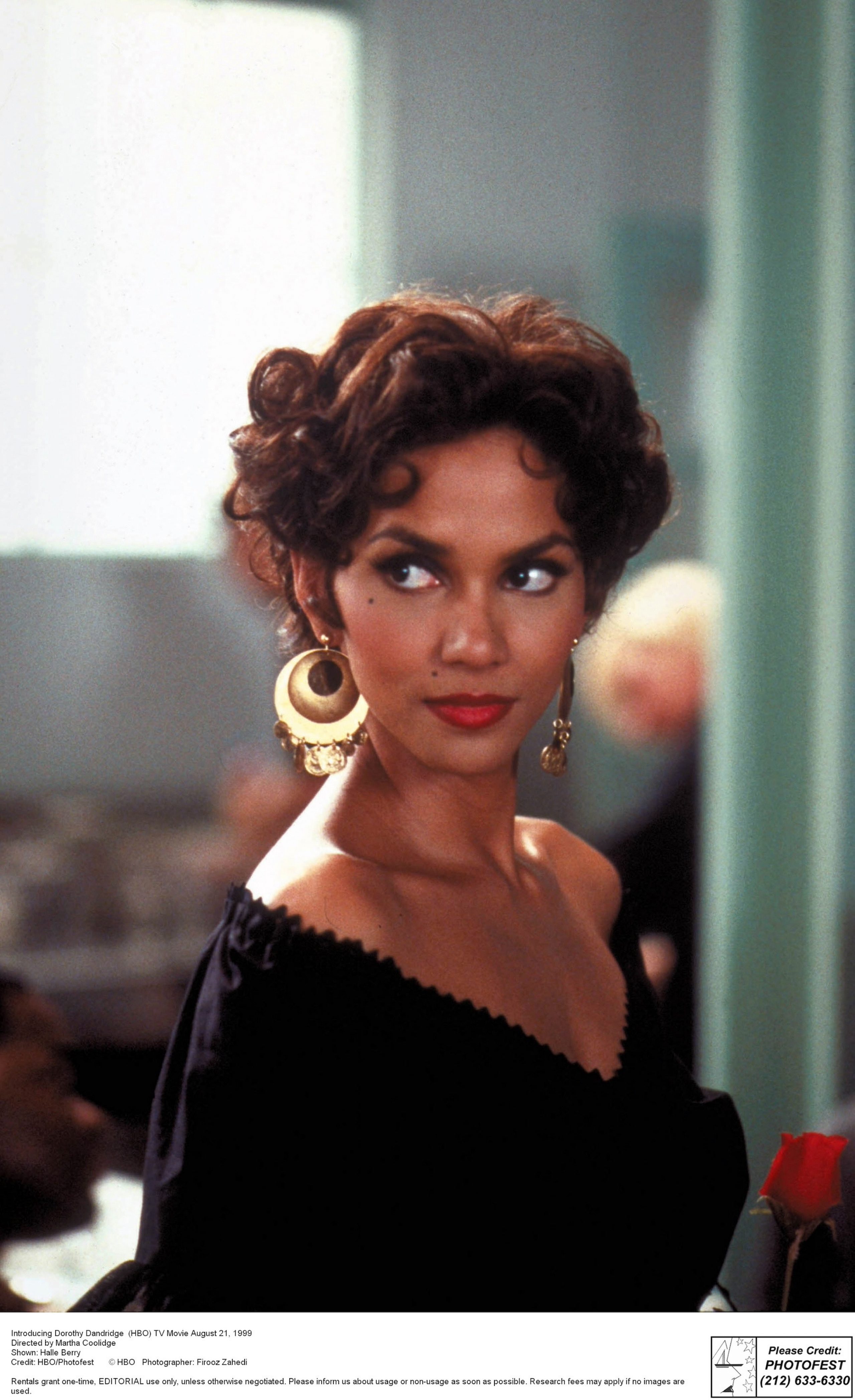
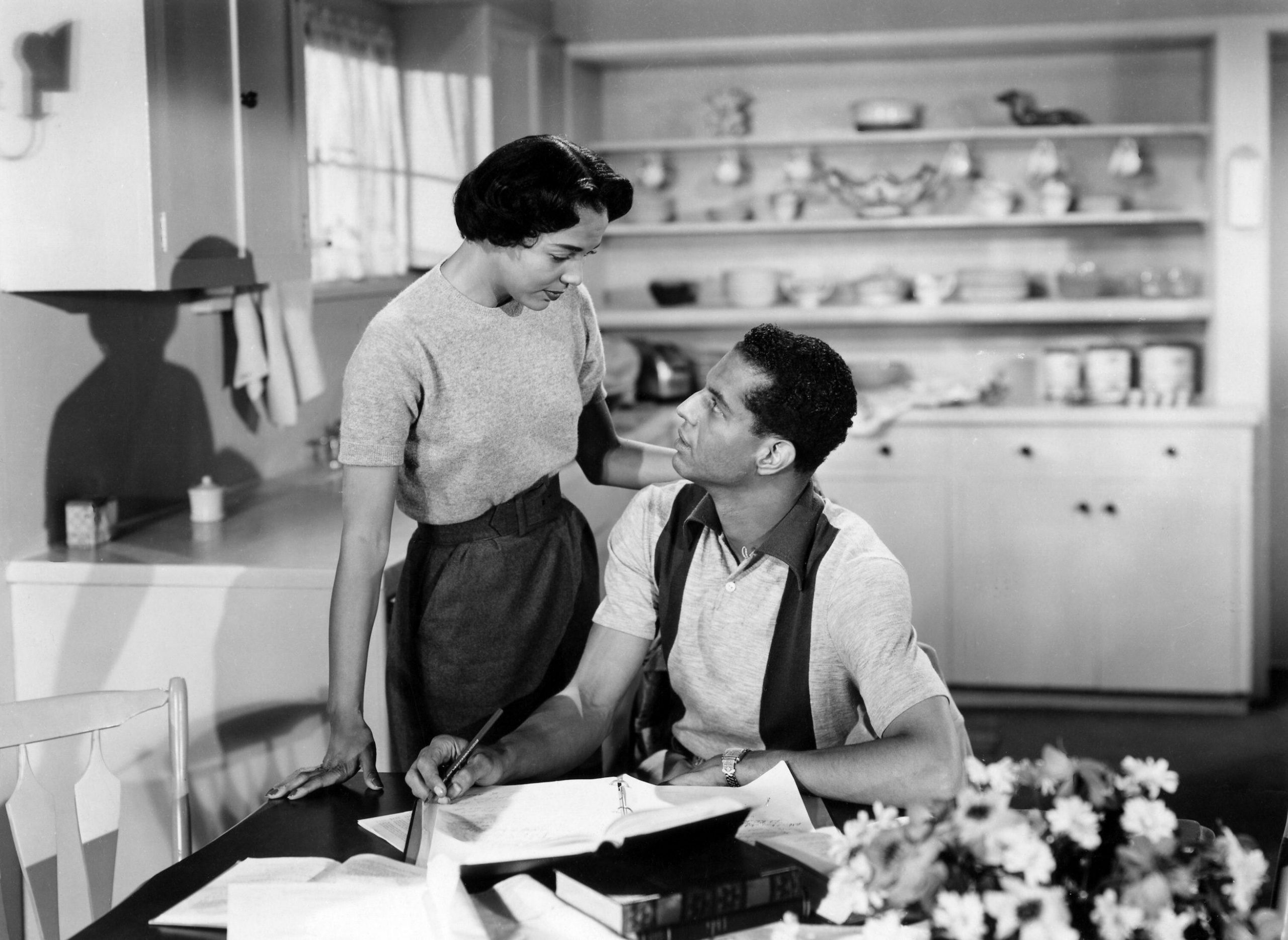
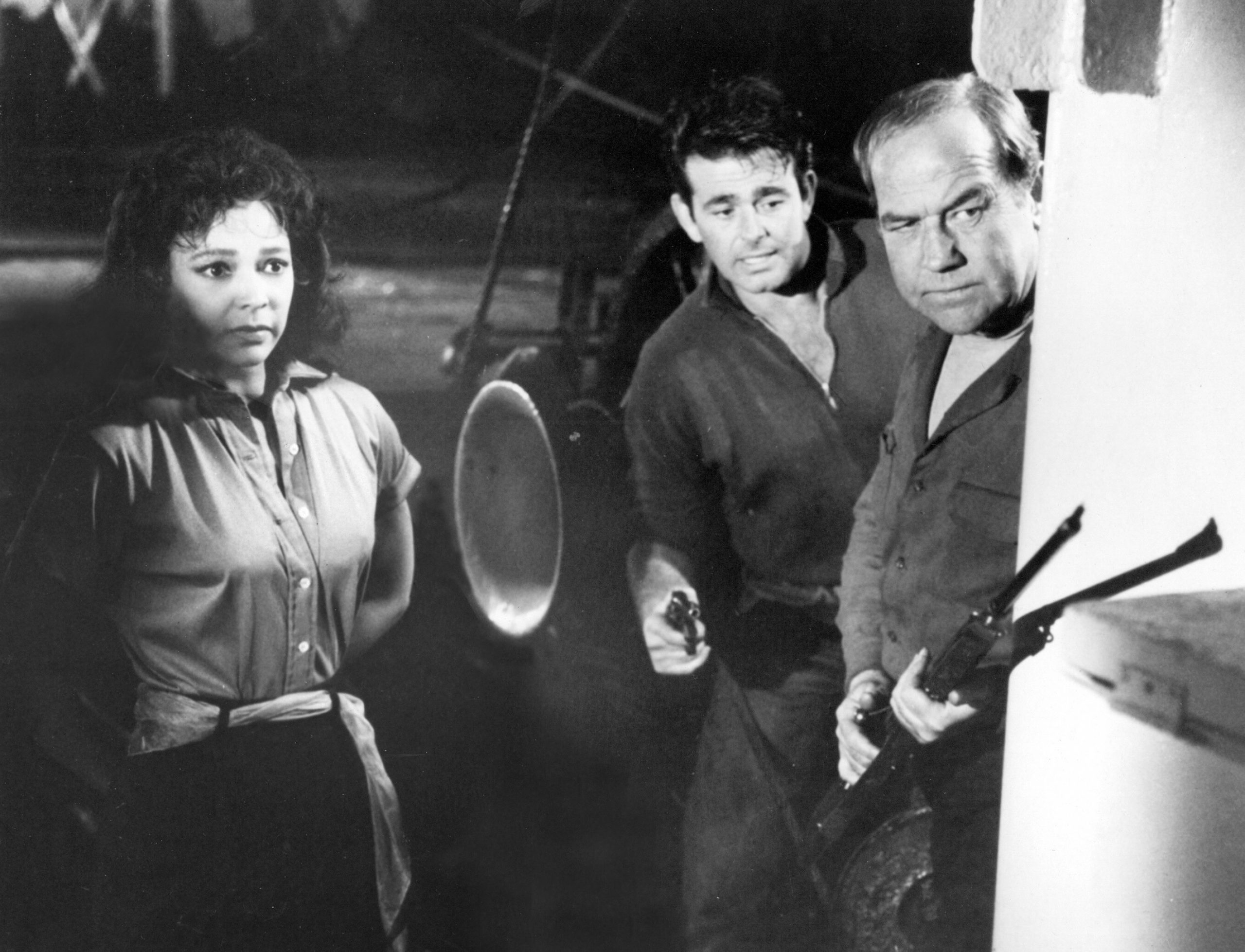
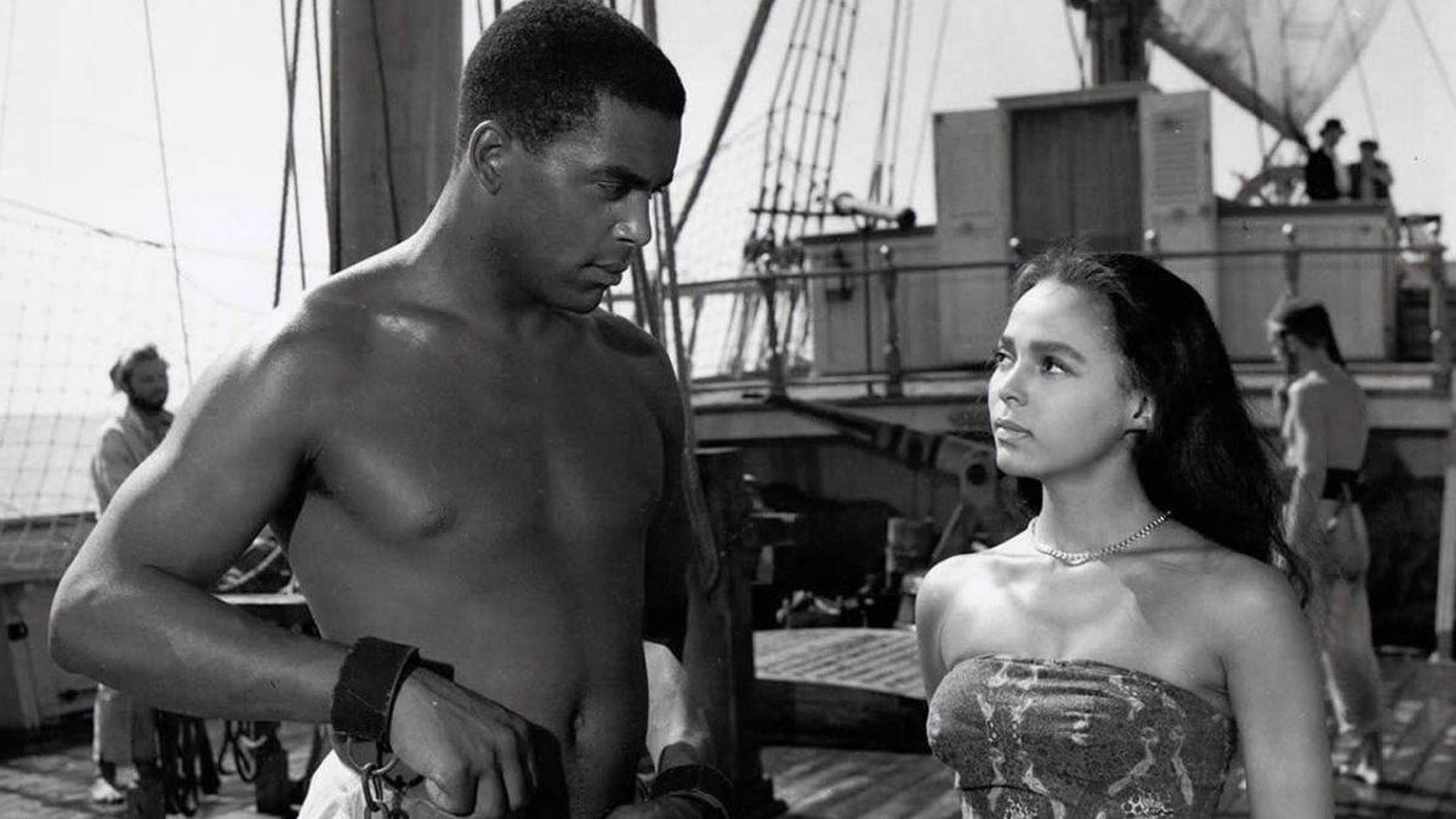
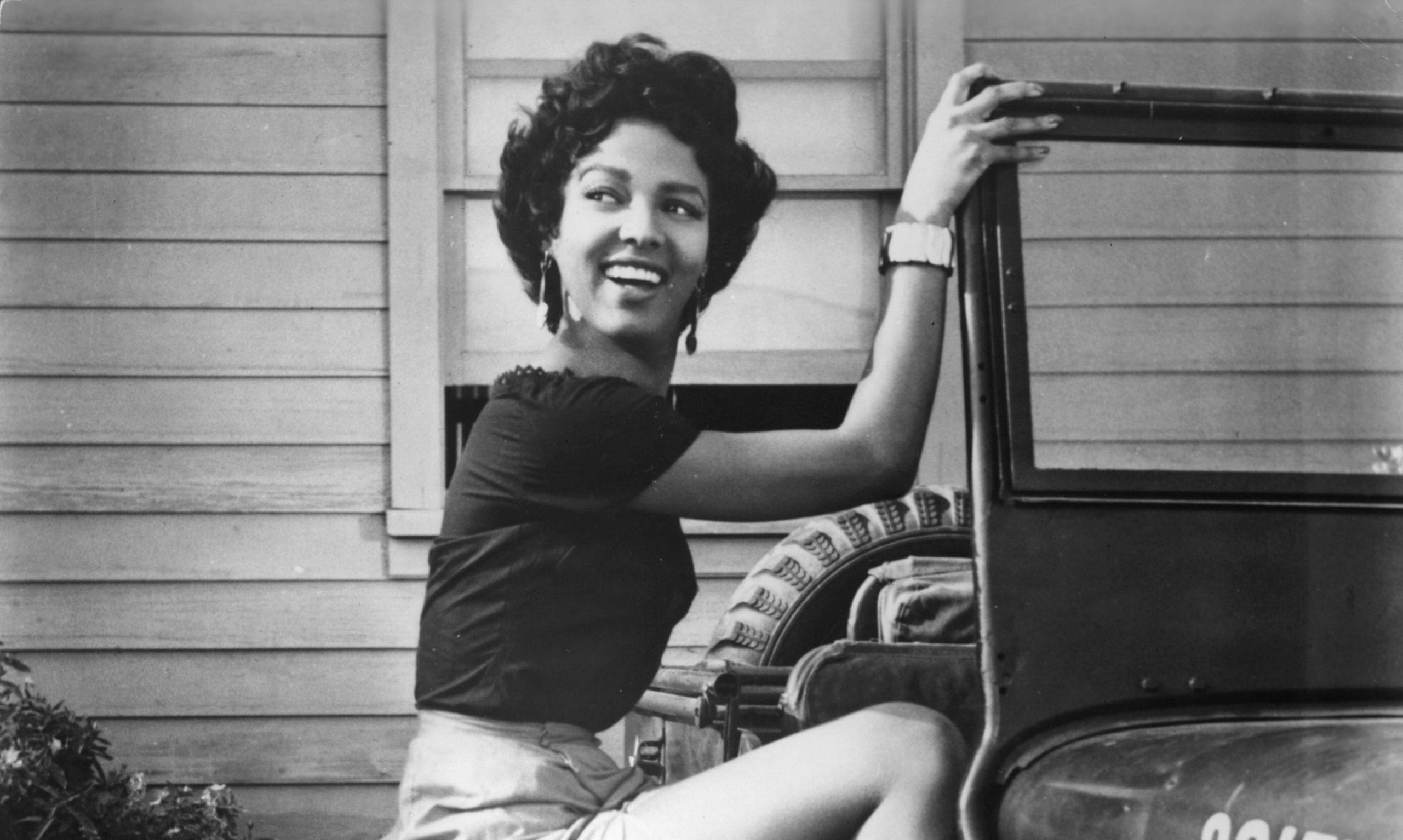
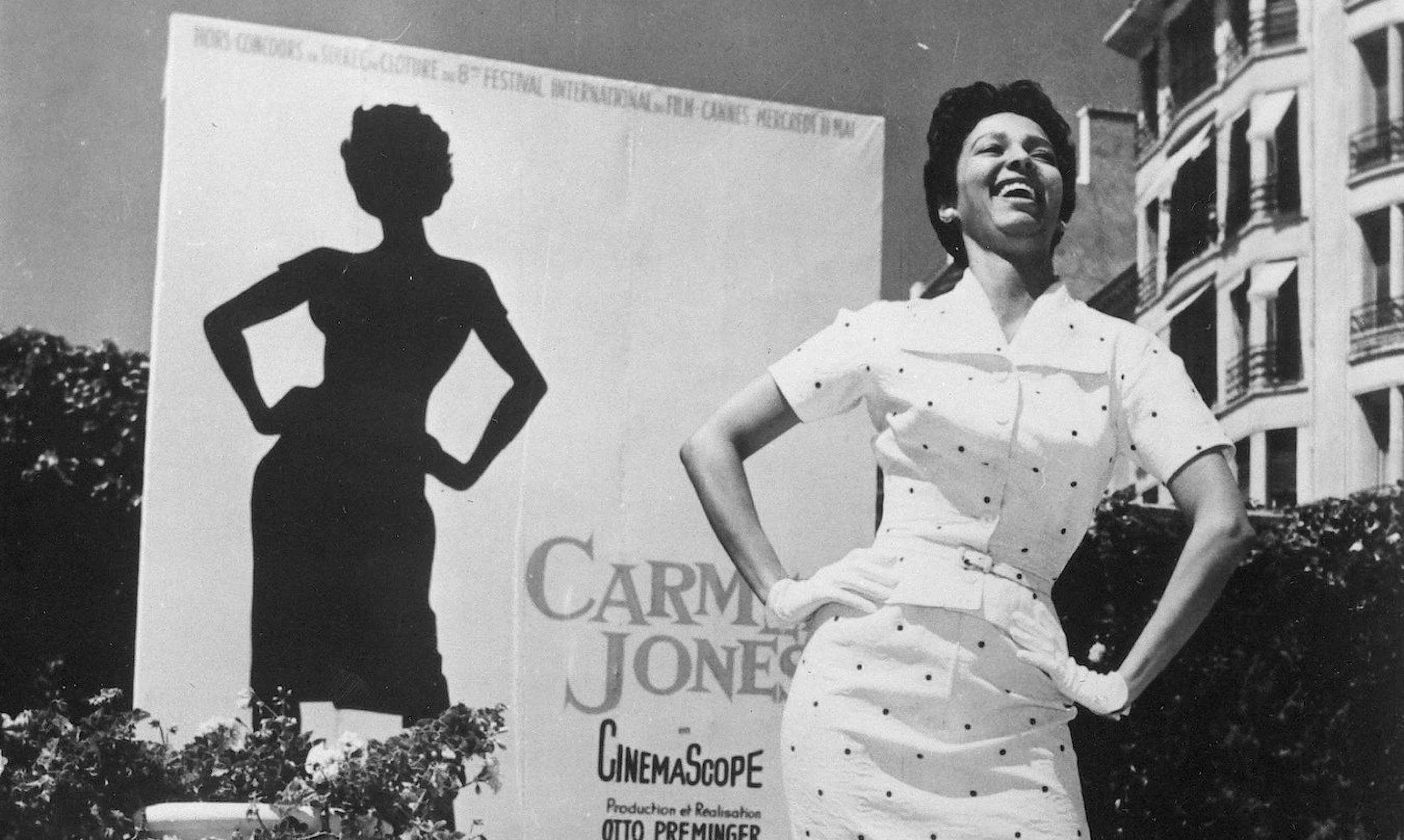
The story of Dorothy Dandridge’s career mirrors that of early 20th century Black Hollywood. She first arrived in Los Angeles with her family in the 1930s, during the Great Depression. Dorothy’s mother, Ruby, found work in radio and in small film parts, usually playing domestics. Dorothy and her sister Vivian transformed their Chitlin’ Circuit acrobatic act The Wonder Children into a singing group called The Dandridge Sisters, who were popular in nightclubs like The Cotton Club. The Dandridge family lived in the thriving Black Hollywood area around Central Street in South Los Angeles, connected to the rest of the city by streetcars known as Red Cars. In the 1940s, Dorothy lived in that same neighborhood with her husband, Harold Nicholas of the Nicholas Brothers. Dandridge later moved to a beautiful modern home in the Hollywood Hills before that area was fully integrated. She was always a pioneer, doing things first and refusing to accept the discrimination she saw around her. After she became the first Black woman to be nominated for the Best Actress Oscar for Otto Preminger’s Carmen Jones (1954), she turned down countless supporting roles or what she considered to be stereotypes. Dandridge instead chose to make European and independent films, many of which will screen on prints in this series. She wasn’t so much ahead of her time, as an uncompromising bright talent who refused to bend to a flawed and racist industry. Hollywood today is still catching up to her.
Series programmed and notes written by Miriam Bale.