More Information
As a born-digital processing scholar with UCLA Library Special Collections, I have had the opportunity to work specifically with the born-digital materials within the larger V. Vale collection(opens in a new tab). I have processed and transferred content from CDs, DVDs and obsolete legacy media like floppy disks, EZ disks, and jaz drives. Dating from 1988-2010, these files include photographs, videos, designs, layouts, writings and email correspondence related to RE/Search and V/Search titles including “Pranks,” “Punk-77” and “Modern Pagans.” The files also contain RE/Search correspondence and some of Vale and Wallace’s personal materials like family photos.
V. Vale and RE/Search Publications

V. Vale is a San Francisco publisher who has documented punk, underground and alternative culture for decades.
Born in 1944 in a Japanese internment camp in Arkansas, Vale later relocated to the Bay Area and worked at San Francisco’s City Lights bookstore alongside prominent literary figures including Allen Ginsberg and Lawrence Ferlinghetti, who helped Vale fund the first issue of the influential punk magazine “Search and Destroy.”
“Search and Destroy” documented the emerging punk scene in San Francisco and beyond, featuring pioneering DIY artists and punk rock musicians including the Ramones and the Weirdos.
In 1980, Vale partnered with Andrea Juno and the project became RE/Search Publications, showcasing important alternative, underground and LGBTQ figures like William S. Burroughs, J.G. Ballard and Genesis P-Orridge of Throbbing Gristle.
Notable RE/Search publications include “Modern Primitives,” a showcase of piercing and body modification culture, and “ZINES Vol 1 & 2,” a survey of zines across the country including interviews with their creators. Juno left the project in 1995, and Vale began publishing under V/Search, although he continues to use the RE/Search brand. Vale continues his work today with his wife, filmmaker Marian Wallace, and gives lectures at universities, attends zine fests, and meets with curious San Francisco residents who want to know more about punk subculture.
Punk meets the early internet
The late 1980s, 1990s and early 2000s marked a major transition for how people used and experienced the internet. Networked computing moved from something primarily associated with universities and governments toward something more accessible to the general public. The introduction of the World Wide Web made it possible for more people to publish and access information through websites without needing specialized technical knowledge.
For artists and independent publishers like Vale and the underground communities he documented, this technology presented a new set of possibilities. The web could be used to distribute writing, images, music, event information and other materials without relying on traditional publishers or media outlets.
Due to the limitation of early web technology, the internet of this era also introduced a new visual language. The amateur and chaotic look of early websites was a natural fit for artists with DIY-aesthetics that had formerly revolved around sharpies and found image collages.
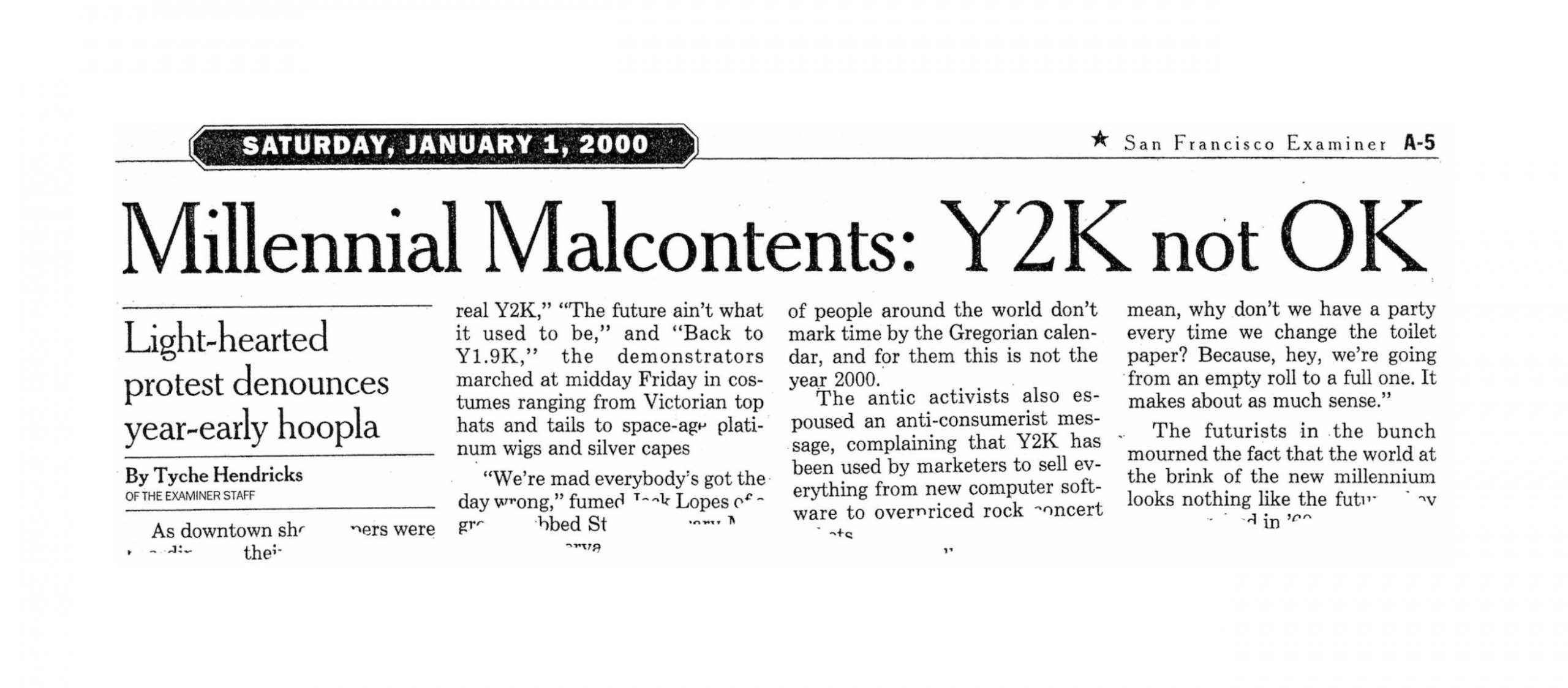
As the year 2000 approached, widespread anxiety emerged over the possibility that computer systems would malfunction when their date fields transitioned from 1999 to 2000. The Y2K computer scare became both a technological concern and a cultural phenomenon, reflecting broader anxieties about increasing dependence on computers.
For countercultural artists, these technological anxieties could be productive. The computer was simultaneously a tool, a source of fascination, a symbol of corporate power and a place for experimentation. The same machines that represented an absurdly digital future could also be used to make collages, distribute zines, build websites, communicate with other weirdos and archive subcultural knowledge.
Resurrecting dead websites, extinct file formats and forgotten emails
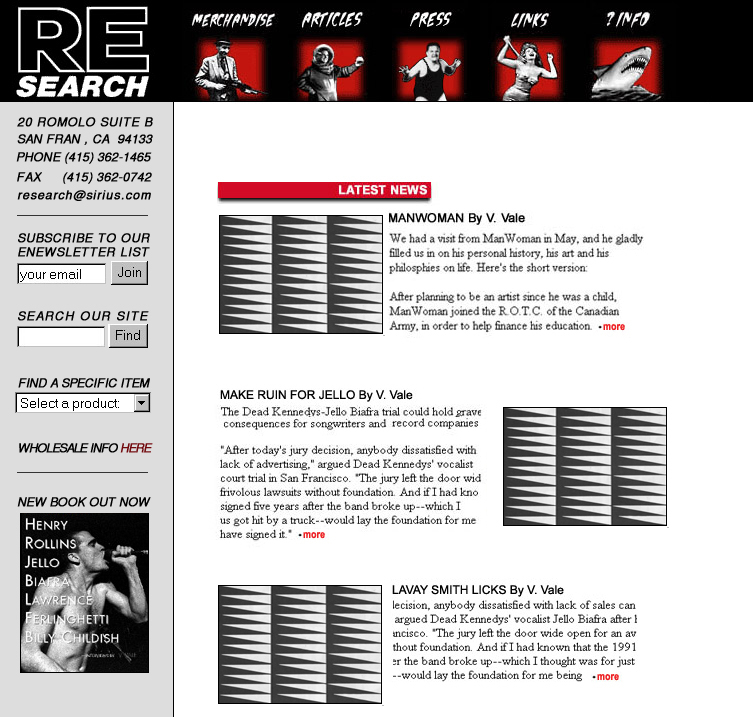
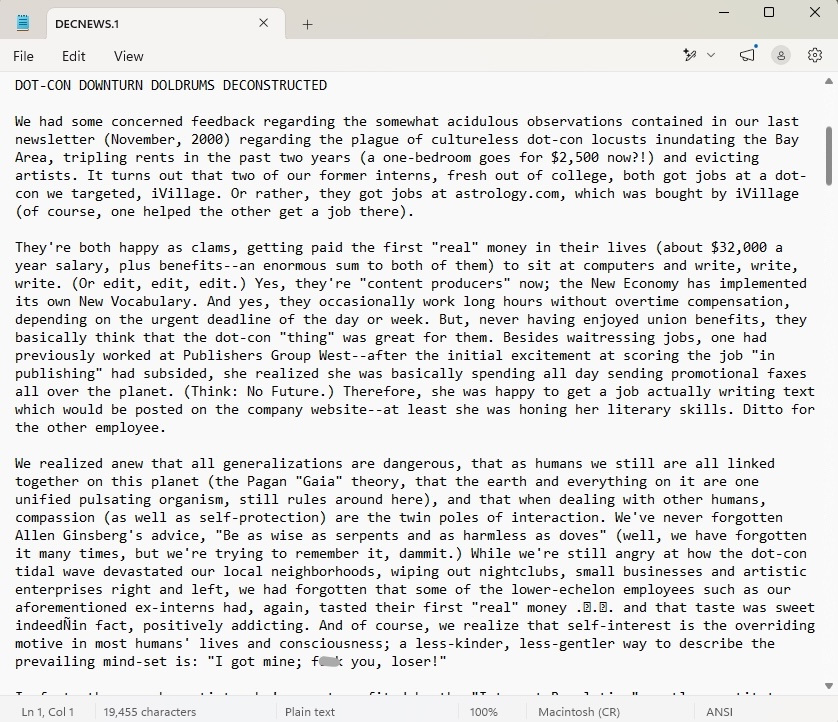
As I was transferring media in all sorts of file formats I hadn’t seen since sneaking onto my dad’s computer in 2002, I noticed a significant amount of folders titled “web stuff” or “Eudora email back up,” along with digital images with neon websites names tagged on. These folders contained pieces of websites: images, HTML, graphics, emails and layouts that once existed within larger digital environments.
I had to engage in some digital archaeology, puzzling these disparate parts back together into something more accessible for researchers. Working with Azad Namazie, the digital archivist with Library Special Collections, I used ePADD software to convert the illegible files and simulate a searchable email platform, effectively resurrecting RE/Search Publication’s email account.
Along with these email files came some unwelcome guests: the dreaded computer virus, formally known as “malware”. As I was creating a disk image of the Eudora email back ups, our security software detected and quarantined sixteen viruses. This was the first time Azad had encountered a virus in their time working at LSC.
Although the antivirus software installed successfully rendered the viruses as nonthreatening, we were curious about what digital archivists typically do with early internet viruses. Do viruses have research value? Some scholars have made arguments that early malware is worth preserving, as they are a trace of online social behaviors and aesthetics of the time. Viruses could be politically motivated and some hackers left distinctive tags, much like graffiti.
The Internet Archive, for example, contains images of Y2K-era malware(opens in a new tab) featuring these kinds of tags. However, in our case, “preserving” the viruses was not possible. Archivematica, the system we use for long-term digital archiving, would ultimately not allow the infected files to be uploaded.
I also found myself swimming in .html files of drafts of RE/Search website pages and promotional websites for V/Search publications like “Modern Pagans.” Information online moves with such speed that it isn’t intuitive for web users to see the layers of time it takes to build, revise and eventually abandon a website. Users typically encounter webpages as finished objects, but these files reveal the accumulation of drafts and decisions behind them. Together, these drafts demonstrate RE/Search’s experimentation and negotiation with its internet representation, or online identity, over time.
Art and artists on the world wide web
The V. Vale and RE/Search Publications Records also reveal how artists and subcultural communities began experimenting with the web as an artistic medium. Early web art came with plenty of technological limitations: low-resolution images, animated GIFs, basic HTML, blinking text and crude graphics. For underground artists, these limitations could be liberating. The web offered another space where someone could make something without asking permission from a gallery, corporate record label or other cultural gatekeeper. A website could become a performance, a joke, or a manifesto. It could also give artists a wider audience and help them find like-minded individuals that could become patrons or collaborators.
Vale published several volumes of “Pranks!,” which documented prank culture through interviews with punk crews and online satirists. While processing the collection, I found images from the books, including some connected to the Billboard Liberation Front, a collective that changes the content on billboards to humorously call out contemporary social ills. One series of photographs shows members of the group dressed in Ronald McDonald costumes altering a billboard to say “To Serve Man,” before being interrupted by police.
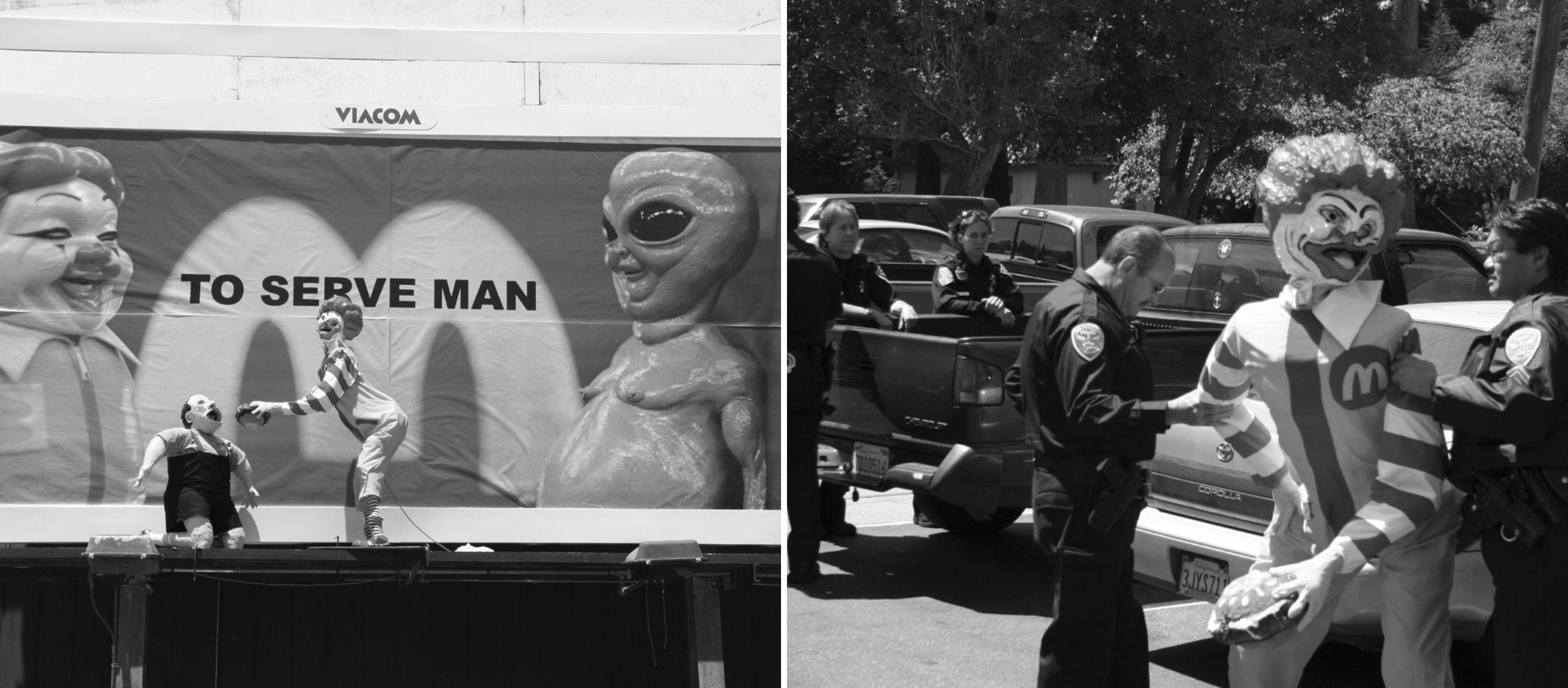
In “Pranks!” Billboard Liberation Front member Jack Napier discusses pranking as a social necessity and the urgency of spreading prank culture through the internet, including making instructions for billboard modification available online. The materials more broadly document how artists used the internet for political expression and dissent, particularly during the post-9/11 era as a response to the Patriot Act, as another way to challenge dominant narratives and connect people with shared causes.
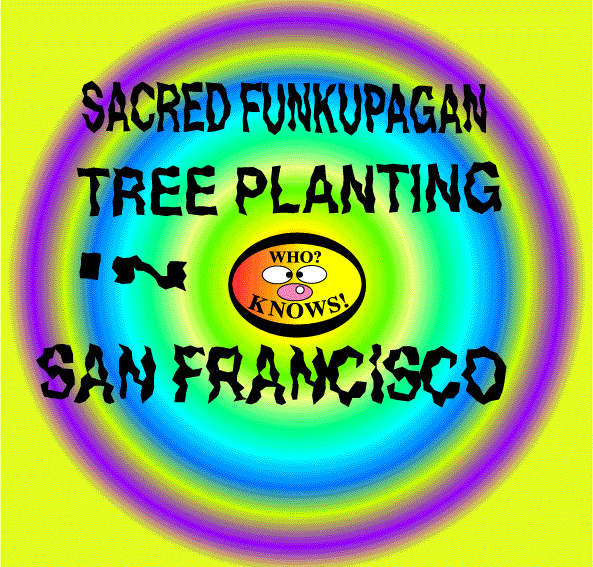
Multimedia artist Robert Delford Brown offers another example of this experimentation. Known for his provocative work including “Meat Show,” where he presented meat dressed in lacey lingerie, Vale published a book about Brown’s work and life.
In the project files for the book, I found traces of Brown experimenting with web art. Brown had founded his own pagan church, the First National Church of the Exquisite Panic or FUNKUP, which worshipped a deity called WHO? Brown created a small digital logo of WHO? which he incorporated into calls to action for the church, including tree planting, along with one-liner pieces of wisdom for his audience.
Part of the Funkup Manifesto reads: “We must regenerate ourselves. We must create new rituals and new mythologies to accommodate new found capabilities.”
Brown was looking towards the future, ready not only to embrace forthcoming changes, but to participate in creating them. The participatory nature of the early internet was a perfect match for avant-garde artists like Brown, who could spread their ideas of human regeneration through both online content and the medium itself.

Reconsidering the internet through the archive
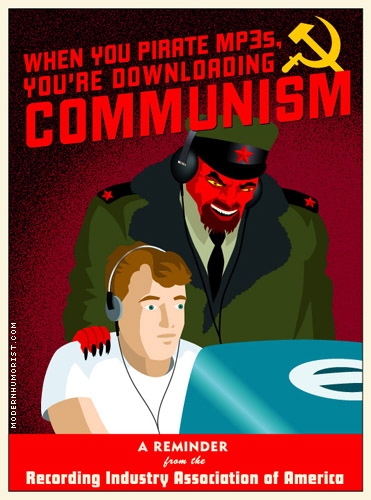
The internet’s role as a gathering place for the world's weirdos had to start somewhere.
The V. Vale collection is rich with digital objects, including what I think of as “proto-memes,” created by subcultural figures that explored, integrated and negotiated their work within a rapidly growing internet, which was quickly creating new markets, structures of communication and aesthetic sensibilities.
Working with this collection feels particularly relevant today as the Bay Area remains a center where many of these network technologies are being created and tested. Our relationship with the internet now often feels like a very top-down relationship between tech moguls and ourselves as web users.
These materials remind us of a moment when artists actively worked to create an internet that was more democratic, symbiotic and expansive.
Perhaps the ingenuity of these underground artists can help us brainstorm how to reclaim our digital space.
Header image: Photocopy of San Francisco Examiner article “Millennial Malcontents: Y2K not OK”, ca. 2000. V. Vale Collection of Search and Destroy and RE/Search Publications records (Box 315), UCLA Library Special Collections